
Tiller Repair in Farmington, MO
When garden season is around the corner, dependable tiller repair can make the difference between getting your soil ready on time and fighting a machine that will not cooperate. Drop off your tiller or ask about pickup & delivery.
Common Tiller Problems
Tillers work hard in rough conditions. Dirt, roots, rocks, old fuel, vibration, worn belts, and storage all take a toll. Some issues show up suddenly the first time you pull the cord in spring. Others build over time until the machine starts losing power, slipping, grinding, or refusing to move.
Won't Start After Storage
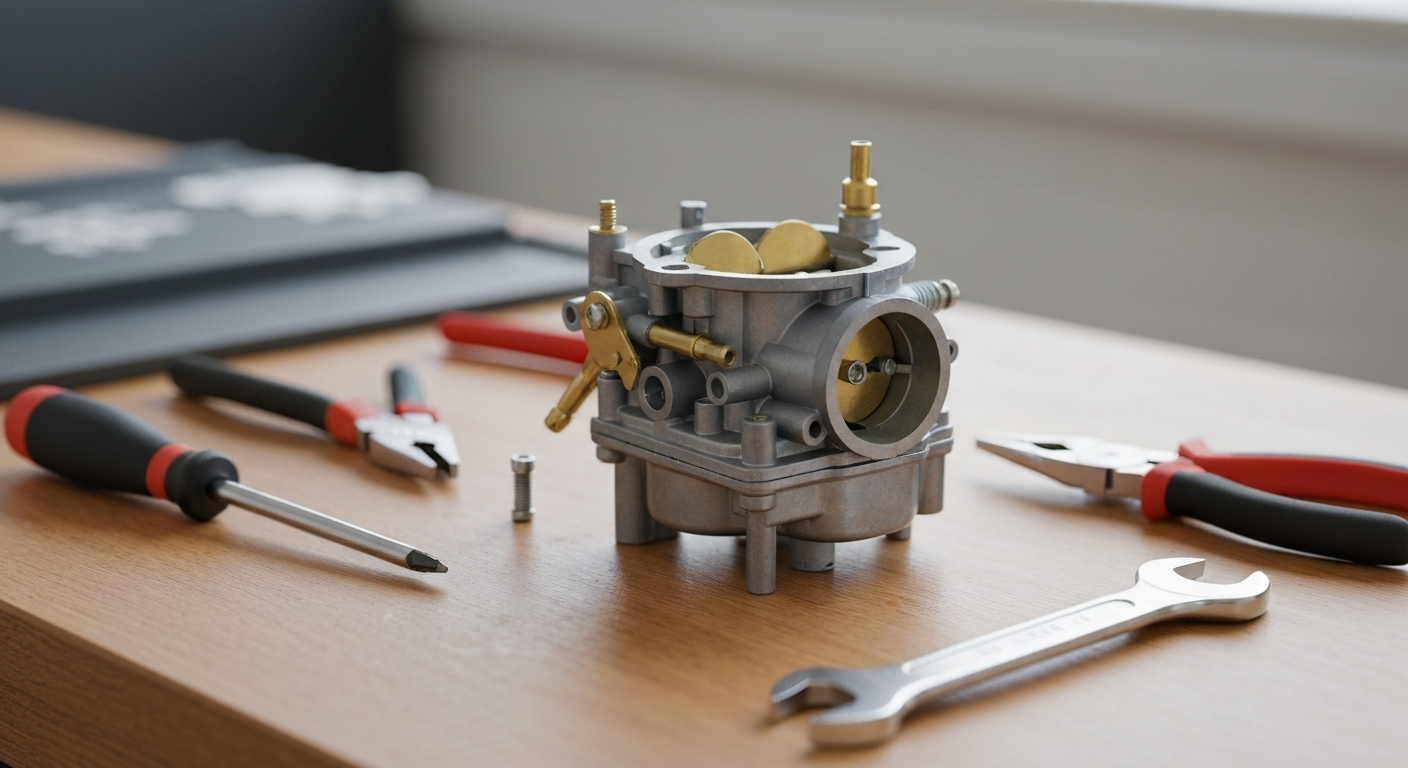
The engine may crank but not fire, or only run with the choke on. In many cases, the issue is fuel-related. Stale fuel, varnish buildup, a dirty carburetor, or a weak spark can keep a tiller from starting.
Tines Won't Turn
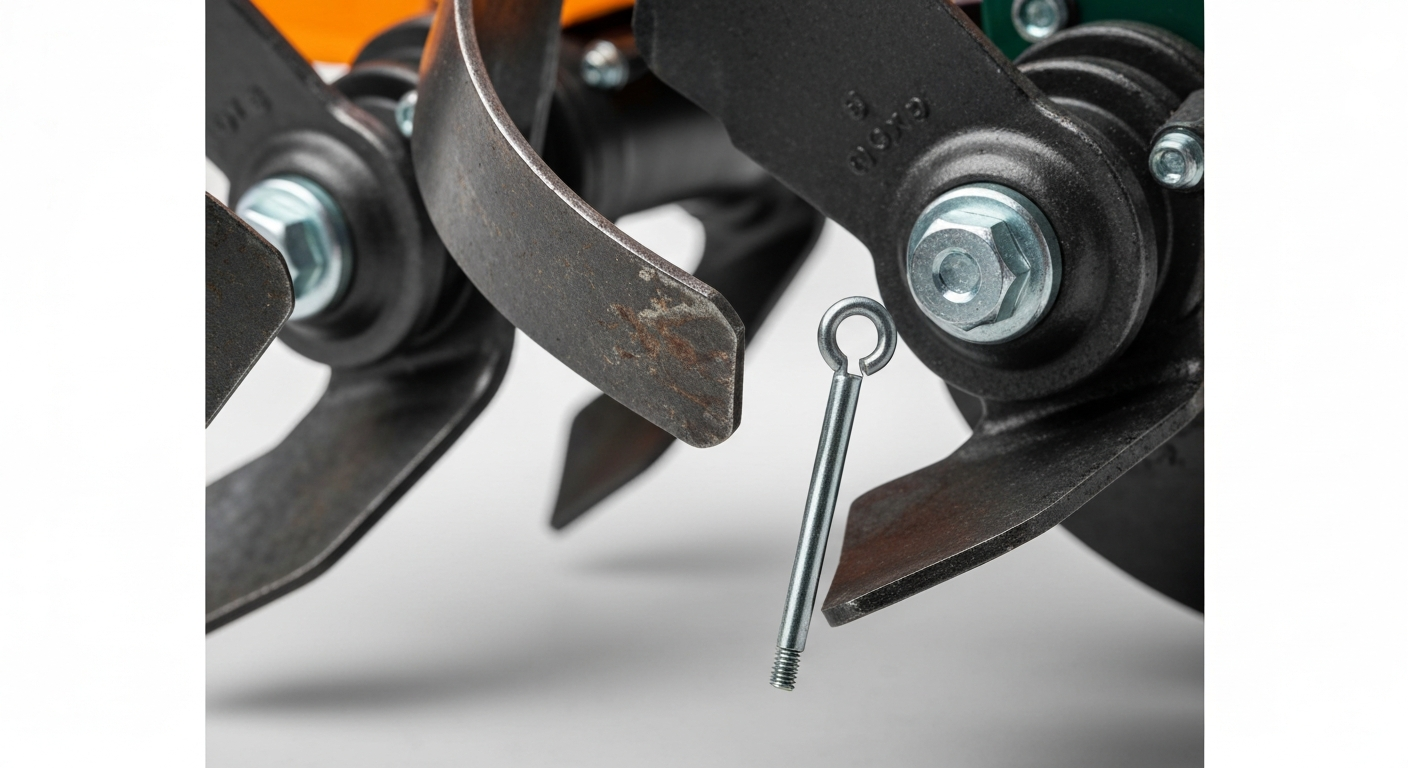
The engine runs fine, but the tines stay still when engaged. This can point to a stretched or broken belt, damaged cable, worn pulley, gearbox problem, failed shear pin, or worn internal drive component.
Bogs Down in Soil
The engine may not be getting enough fuel, the air filter is restricted, the tines are overloaded with debris, or the drive system is slipping under load. Missouri clay and rocky ground can expose hidden problems.
Drive Problems
A machine may pull weakly, lurch, fail to shift, grind, or move in one direction but not the other. These issues involve belts, cables, pulleys, gears, linkage, or worn drive components.
Fuel & Carburetor After Storage
For many tillers, the biggest enemy is not heavy soil. It is sitting.
A garden tiller may only run a few times each year. After spring garden prep, it might sit in a shed, garage, barn, or lean-to until the next season. If fuel is left inside the tank and carburetor during that time, it can break down and leave deposits that restrict tiny passages inside the carburetor. When spring comes, the engine may not get the right fuel mixture to start and run correctly.
That is why stale fuel and a gummed carburetor are some of the most common reasons people need rototiller repair before garden season. The symptoms can look different from one machine to the next. Some tillers will not start at all. Some start only when primed. Some run for a few seconds and shut off. Others surge, sputter, idle poorly, or die when placed under load.
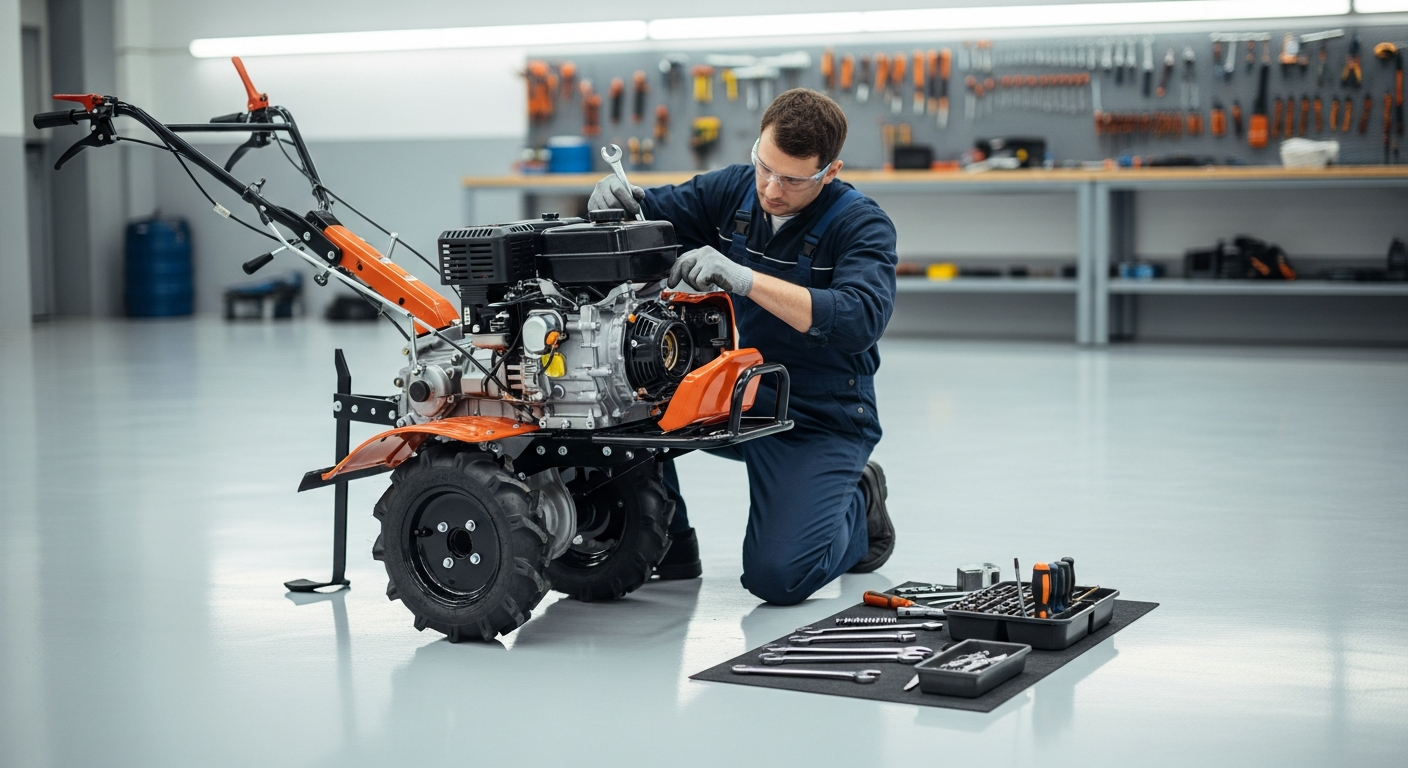
At Revolution Landscape Equipment & Supply, we inspect the fuel system as part of the diagnostic process. Depending on what we find, the repair may include draining old fuel, cleaning the carburetor, replacing fuel lines, servicing the air filter, checking the spark plug, and making sure the engine starts and runs properly before the tiller goes back to work.
Tines, Belts & Gearbox
A tiller does more than run. It has to transfer power from the engine to the tines, cut into soil, and keep moving under load. That means the drive system and tine assembly matter just as much as the engine.
Tines wear down over time. They hit rocks, roots, hard clay, and buried debris. Worn tines may still spin, but they do not bite into the ground the way they should. Instead of breaking soil cleanly, the machine may bounce, skate, or leave the bed uneven. Bent or damaged tines can also create vibration, poor tilling performance, and extra stress on the machine.
Belts are another common wear item. Many tillers use belts to engage the tines or drive the wheels. Over time, belts can stretch, crack, glaze, slip, or break. A slipping belt may let the engine run while the tines barely move. A broken belt may stop tine rotation completely.
Gearbox issues can be more serious. A gearbox may leak, grind, bind, or fail to transfer power properly. In rear-tine tillers especially, gearbox and transmission components are central to how the machine drives and tills. If you hear grinding, feel unusual vibration, notice leaking lubricant, or the tines stop turning even though belts and cables look intact, the gearbox should be inspected.
Front-Tine vs Rear-Tine Tillers
We service both front-tine and rear-tine tillers.
Front-Tine Tillers
Common for home gardens, smaller beds, lighter soil preparation, and seasonal use around the yard. On these machines, the tines are located toward the front, and the operator guides the tiller while the tines help pull it forward. Common problems include hard starting, old fuel, dirty carburetors, worn or bent tines, belt slipping, cable issues, and trouble digging into compacted ground.
Rear-Tine Tillers
Typically larger and heavier. They are often used for bigger gardens, tougher soil, new beds, and deeper tilling. Many rear-tine machines have powered wheels, forward and reverse drive, and more involved gear systems. Common issues include forward or reverse problems, wheels not pulling, tines not engaging, drive belts slipping, shift linkage concerns, gearbox noise, leaking seals, and worn tines.
Spring Readiness
Tiller problems usually show up at the worst time: right when the ground is ready and the garden needs to be worked.
Spring is the busiest season for garden tiller repair because many machines have been sitting since the previous year. As soon as warmer weather hits in Farmington and the surrounding Parkland region, people start pulling tillers out of storage. That is when they find dead batteries on electric-start units, stale fuel, gummed carburetors, flat tires, worn tines, cracked belts, stuck cables, and engines that refuse to cooperate.
Getting your tiller serviced before peak garden season helps you avoid the rush. Instead of waiting until the weekend you planned to plant, it is better to check the machine early. Start it before you need it. Look for fuel leaks. Listen for odd noises. Make sure the tines engage. Check that forward and reverse work properly. If something feels off, bring it in before the schedule fills up.
Why Choose RLES?
Independent, not a dealer
We service most brands and older machines others turn away.
Fast turnaround
We know downtime costs money, especially in season.
Contractor priority
Tell us you're running a crew and we move you to the front.
Repair + supply in one stop
Drop off a tiller and pick up a load of mulch in one trip.
Who We Serve & Service Area
We serve homeowners, acreage and rental-property owners, lawn-care companies, landscape contractors, maintenance crews, and anyone with an older machine the dealer won't touch.
From the Hwy 32 yard we serve Farmington and all of St. Francois County — Park Hills, Desloge, Leadington, Bonne Terre — plus Ste. Genevieve, Fredericktown, Potosi, De Soto, and Ironton (roughly a 25-mile radius).