Hydrostatic Transmission Repair in Farmington, MO
When your riding mower or zero-turn will not move, creeps along weakly, or loses drive after it gets hot, you may need hydrostatic transmission repair instead of a basic tune-up. We diagnose hydro drive problems for homeowners and lawn care crews.
Symptoms of a Failing Hydrostatic Transmission
Hydrostatic drive problems usually show up in how the mower moves, pulls, turns, or reacts after it has been running for a while. Sometimes the issue is sudden: the mower was working, then it stopped moving. Other times, the problem starts small and slowly gets worse until the machine can barely climb a hill or pull through thicker grass.
Mower Won't Move
The engine runs and blades engage, but the machine will not drive forward or backward. This can be the hydro unit, but it can also be a loose drive belt, a disengaged freewheel lever, linkage problems, low fluid, or trapped air.
Loses Power When Hot
The mower drives fine cold but feels sluggish after 20-30 minutes of mowing. When a hydro system gets weak after warming up, it points to worn internal components, fluid breakdown, heat-related pressure loss, or a unit needing service.
Jerky Movement & Whining
If the mower lurches, hesitates, or surges when you press the pedal or move the levers, the system may have air in it, contaminated fluid, or a belt problem. A loud whine combined with weak movement should also be checked.
Neutral Creep
If the mower creeps in neutral, will not stay still, or moves when the controls should be centered, it needs inspection. Neutral creep may come from control adjustment, linkage wear, or a hydro unit not returning properly.
What a Hydro Transmission Does and Why They Fail
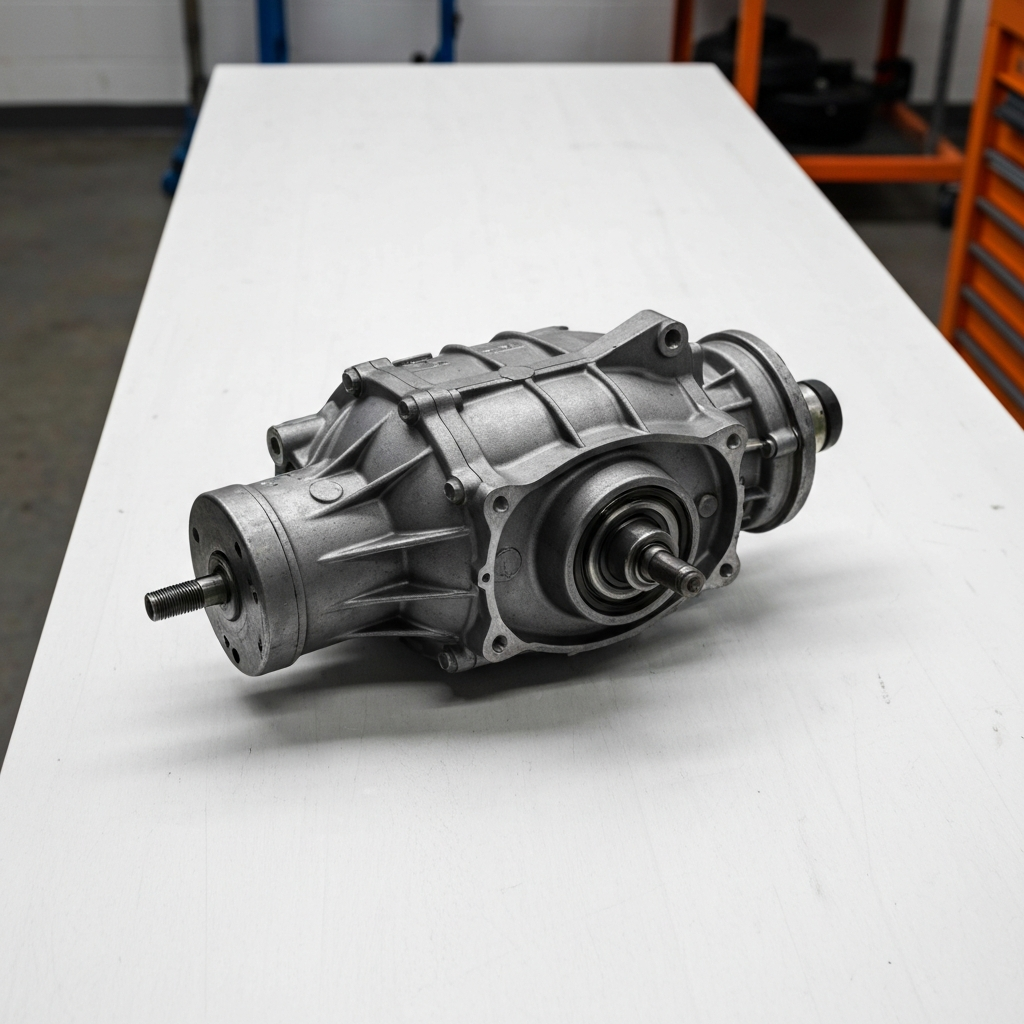
A hydrostatic transmission uses fluid pressure to transfer power from the engine to the drive wheels. In plain English, it lets your mower move forward and backward without shifting gears like an old manual transmission. That is why riding mowers and zero-turns can change speed smoothly, reverse quickly, and maneuver around obstacles without constant gear changes.
Hydro systems fail for several common reasons. One of the biggest is old or contaminated fluid. Hydro fluid has a hard job. It transfers power, lubricates internal parts, helps control heat, and keeps the system operating under pressure. Over time, fluid can break down, collect debris, or lose its ability to protect the unit properly.
Heat is another major factor. Mowing in heavy grass, pulling loads, working on hills, running low on fluid, or using a machine with clogged cooling areas can make the hydro system run hotter than it should. Heat thins the fluid and can expose wear inside the transmission. Air in the system, worn drive belts, and skipped service also contribute to early failure.
Fluid & Filter Service / Purging Air
Not every weak hydro drive needs a full rebuild or replacement. In many cases, the first smart step is hydro transmission service, especially when the mower still moves but feels weak, slow, jerky, or inconsistent. When the system is serviceable, fresh fluid, a new filter, and proper air purging may restore drive performance.
Hydro fluid and filters are important because the transmission depends on clean fluid to build pressure and protect internal parts. Dirty fluid can carry debris through the system. Old fluid can lose performance under heat. A restricted filter can reduce flow and make the mower feel like it is starving for drive power.
Purging air from the system is also important. Air in a hydrostatic transmission can cause whining, hesitation, jerking, weak movement, or a mower that will not respond correctly after service. The purging process helps move trapped air out of the drive system so the transmission can operate more consistently.
Rebuild vs Replace the Unit
Hydrostatic transmission repair can be a cost-driven decision. Some hydro units can be serviced or repaired. Some can be rebuilt depending on the unit, parts availability, condition, and labor involved. Others are more practical to replace as an assembly, especially when internal wear is severe or parts are limited.
Service & Adjustment
If a belt, linkage adjustment, fluid service, or air purge can solve the problem, we will not push a transmission replacement. This is the first step for serviceable units showing mild symptoms.
Rebuild Options
A newer commercial zero-turn with a high-value drive system may justify more extensive hydrostatic repair or rebuild if internal parts are available and labor costs make sense.
Unit Replacement
An older riding mower with major internal transmission failure may not make sense to rebuild. Replacing the assembly or honestly advising against repair is often the better long-term choice.
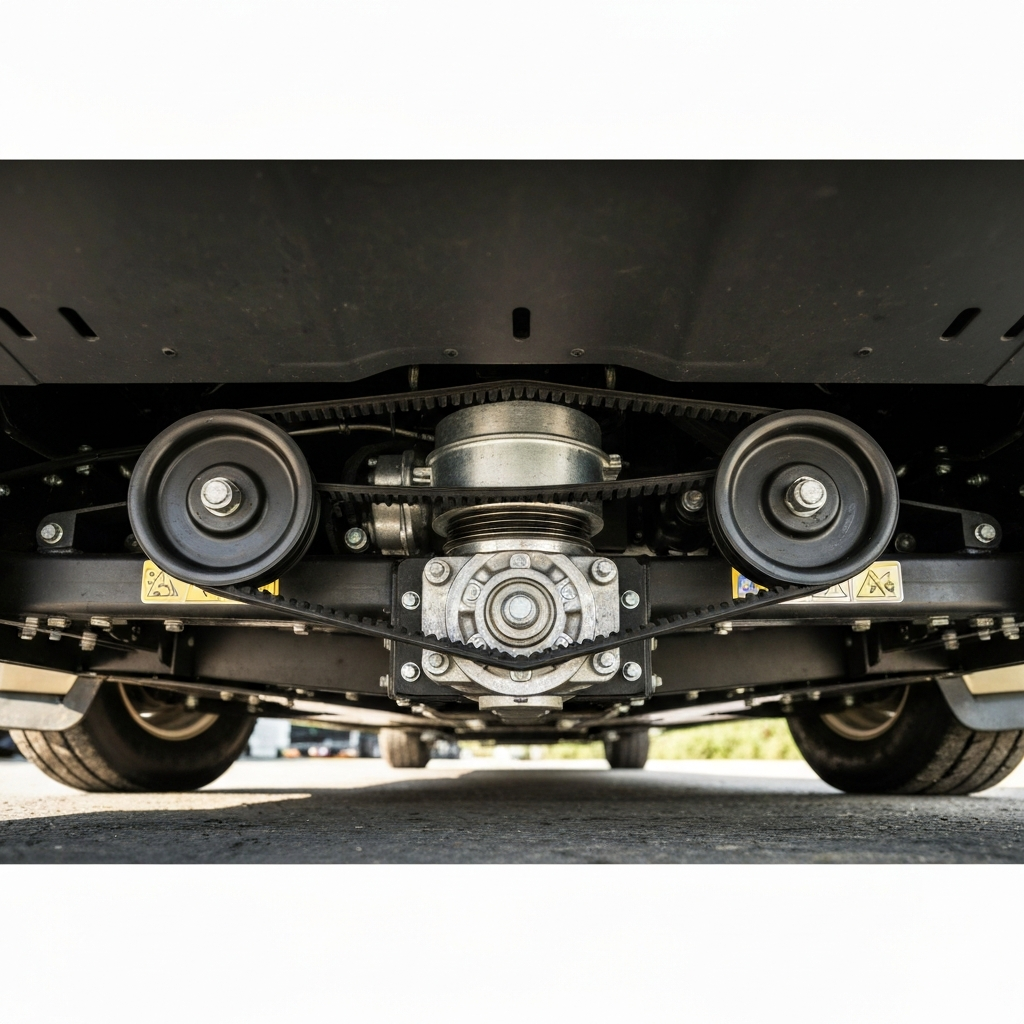
Riding vs Zero-Turn Drive Systems
We handle both riding mower transmission repair and zero turn transmission repair at our Farmington shop. While both machine types may use hydrostatic drive systems, they are not always built the same or diagnosed the same way.
Riding mowers often have one main hydro transmission that drives the rear wheels. Symptoms may include slow forward speed, no reverse, weak pulling power, or failure to move at all. The cause may be the hydro unit itself, but it may also be a drive belt, tensioner, brake issue, control linkage, or bypass lever.
Zero-turn mowers are different because each drive side can act independently. If one side is weak, slow, noisy, or unresponsive, the mower may pull to one side, spin unevenly, or become difficult to steer. If both sides are weak, the issue may be related to belt drive, fluid condition, or overall system condition.
Our Process
Hydro transmission work starts with getting the machine to the shop safely. Because riding mowers and zero-turns are heavy and hard to push when they will not move, pickup & delivery is often the easiest option.
Drop-Off or Pickup
Drop the mower off at Revolution Landscape Equipment & Supply if you have a trailer and can transport it safely, or schedule our convenient pickup & delivery service.
Diagnostic Inspection
We inspect belts, pulleys, bypass controls, fluid condition, leaks, linkage, filters, brake drag, neutral adjustment, and how the machine behaves under load before assuming the hydro transmission is bad.
Clear Quote
We provide a quote before any approved repair work begins. You will know what we found, what we recommend, and what the next step costs without surprise parts swapping.
Repair & Test
We complete the repair, service, or replacement work, then test the mower to confirm the drive system operates correctly once warm, under load, and fully purged of air.
Service Area
Revolution Landscape Equipment & Supply provides hydrostatic transmission repair for customers in Farmington, Park Hills, Desloge, Leadington, Bonne Terre, Ste. Genevieve, Fredericktown, Potosi, De Soto, and Ironton, along with St. Francois County and the wider Parkland / Mineral Area region of southeast Missouri.
You can drop off your riding mower or zero-turn at our Farmington shop, or ask about pickup & delivery if the machine will not move, is too heavy to load, or is unsafe to transport without help.