Chainsaw Chain Sharpening in Farmington, MO
When your saw stops throwing clean chips and starts making powder, it is time for professional chainsaw chain sharpening. At Revolution Landscape Equipment & Supply in Farmington, MO, we sharpen chains for homeowners, firewood cutters, landowners, and working crews who need safer cuts, faster work, and less strain on their equipment. You can drop your chains off at our shop, or ask about pickup & delivery if you are in Farmington or the surrounding Parkland region.
Why a Sharp Chain Matters — Safety First
A dull chainsaw chain is not just inconvenient. It can become dangerous. When cutters lose their edge, the chain does not pull itself through the wood cleanly. Instead, the saw may grab, skip, chatter, or bounce across the cut. That forces the operator to push harder, and pushing a chainsaw is one of the fastest ways to lose control.
A properly sharpened chain bites smoothly and clears wood chips efficiently. You should feel the saw feeding into the cut with steady pressure, not fighting you the whole way. When the chain is sharp, the saw is easier to guide, the cut is cleaner, and the operator can focus on safe positioning instead of wrestling the equipment.
Sharp chains also reduce wear on the rest of the saw. A dull chain makes the engine work harder, creates more heat, and puts extra strain on the bar, clutch, sprocket, and drive system. Over time, that added stress can turn a simple sharpening job into a bigger repair. Keeping your chain sharp is one of the easiest ways to protect your saw and get more life out of your equipment.
Fuel use matters too. When a chain is sharp, the saw does not have to work as hard to do the same job. That means less wasted fuel, less heat, and less time spent leaning into a cut. For homeowners, that may mean finishing a cleanup job faster. For crews and firewood cutters, it can mean a noticeable difference over a full day of cutting.
Signs Your Chain Is Dull
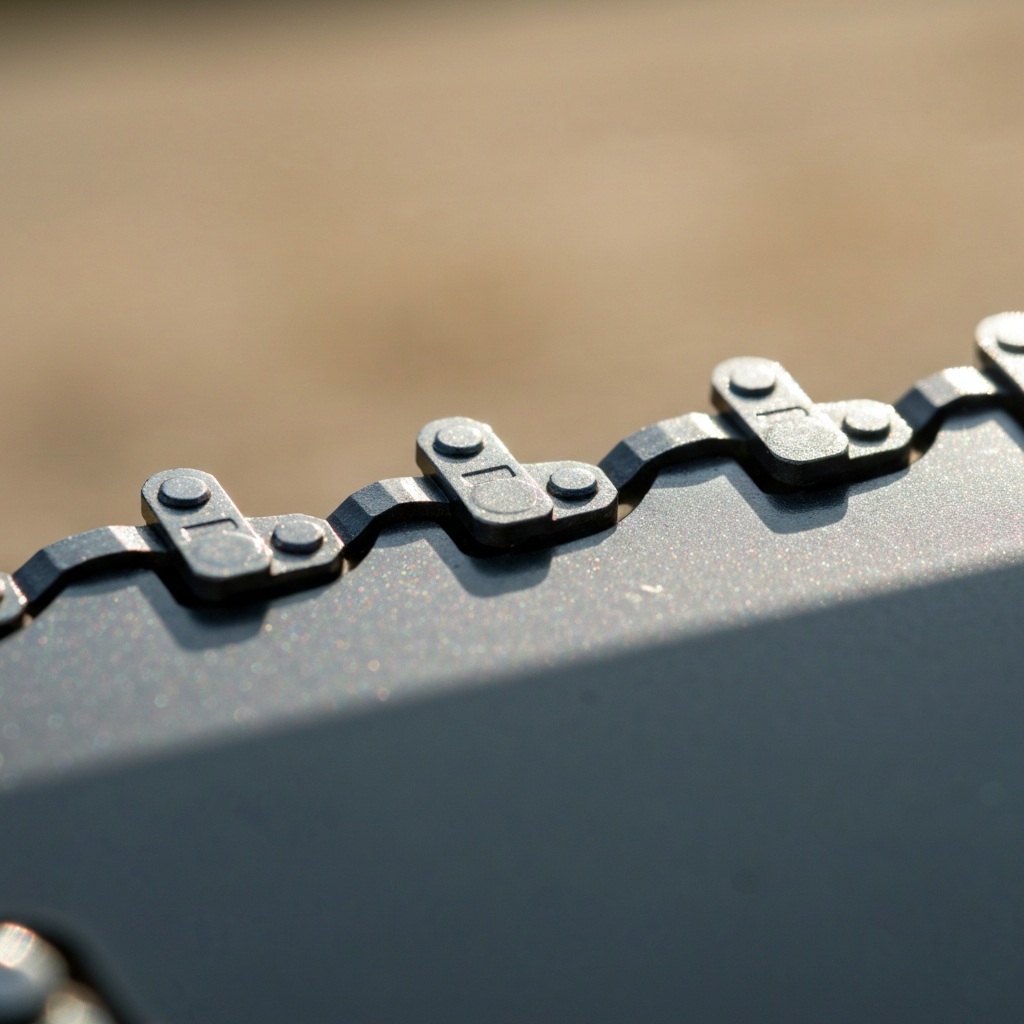
If your saw is not cutting like it used to, check for these warning signs.
Powder Instead of Chips
A sharp chain should produce chips. If your saw is making fine, powdery sawdust, the cutters are probably dull. The saw may still run, but it is no longer cutting efficiently.
Crooked Cuts
If the saw pulls to one side or the bar seems to wander, the cutters may be uneven from wear, damage, or improper filing. This can happen after hitting dirt, rock, wire, or nails.
Forcing the Saw
You may notice that you have to force the saw into the wood. A sharp chain should do most of the work. If you are leaning hard on the saw or rocking it back and forth, the chain needs attention.
Smoking
Smoke during cutting can come from a dull chain, lack of bar oil, a pinched cut, or a chain that is not moving through the wood correctly. If the chain is dull, friction builds quickly.
Chatter or Bouncing
Chatter, bouncing, or a rough feel in the cut can also point to sharpening problems or incorrect depth gauge / raker setting. The rakers may be set too low or too high.
Depth Gauges / Rakers Explained
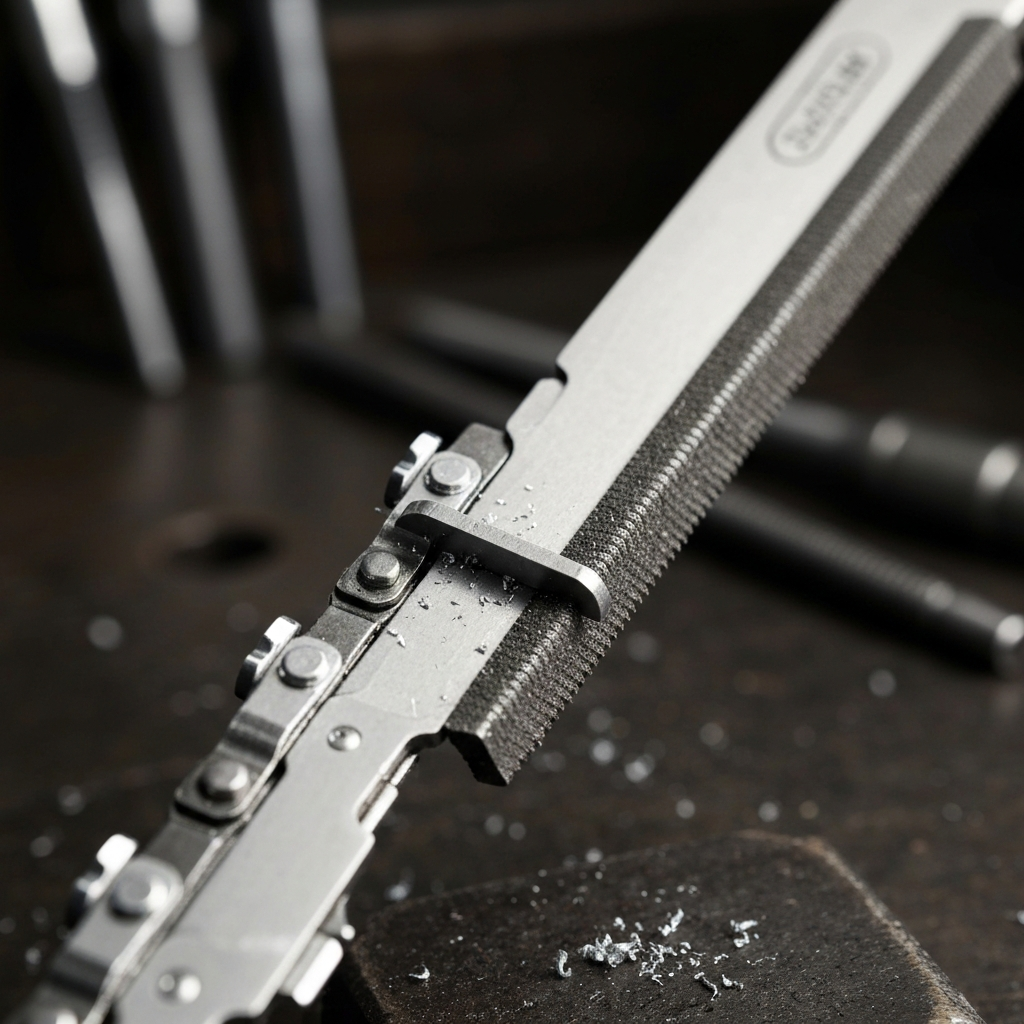
The cutter is the part of the chain most people notice, but the depth gauge, often called the raker, is just as important. The raker controls how much wood each cutter takes with every pass. In simple terms, it controls the bite.
If the rakers are too high, the cutters cannot take enough wood. The chain may look sharp, but it still will not cut well. You might see powder instead of chips, or the saw may seem weak even though the engine is running fine.
If the rakers are too low, the chain can become too aggressive. It may grab, chatter, jump, or pull hard into the wood. That can make the saw harder to control and increase the chance of kickback or other dangerous movement.
That is why proper depth gauge / raker setting matters. When we sharpen a chainsaw chain, we check and reset the rakers as needed so the cutters can bite correctly. The goal is not just a sharp edge. The goal is a chain that cuts smoothly, safely, and predictably.
Sharpen vs Replace the Chain
Not every chain should be sharpened again. Some chains still have plenty of life left and only need a clean, even sharpening. Others are worn past the point where sharpening is the right choice.
A chain should usually be replaced when the cutters have been filed back past the wear marks. Once the tooth is too short, there may not be enough cutter left to sharpen safely or effectively.
Cracked, broken, or missing cutters are another reason to replace the chain. A damaged cutter can create uneven cutting, vibration, and added risk. If the chain has hit metal, rock, concrete, or debris, we will look it over to see whether sharpening makes sense or whether replacement is the safer option.
A stretched chain may also need to be replaced. Chains naturally wear over time, but if the chain can no longer be tensioned properly, keeps loosening, or does not sit correctly on the bar, sharpening will not solve the problem.
Chains We Sharpen
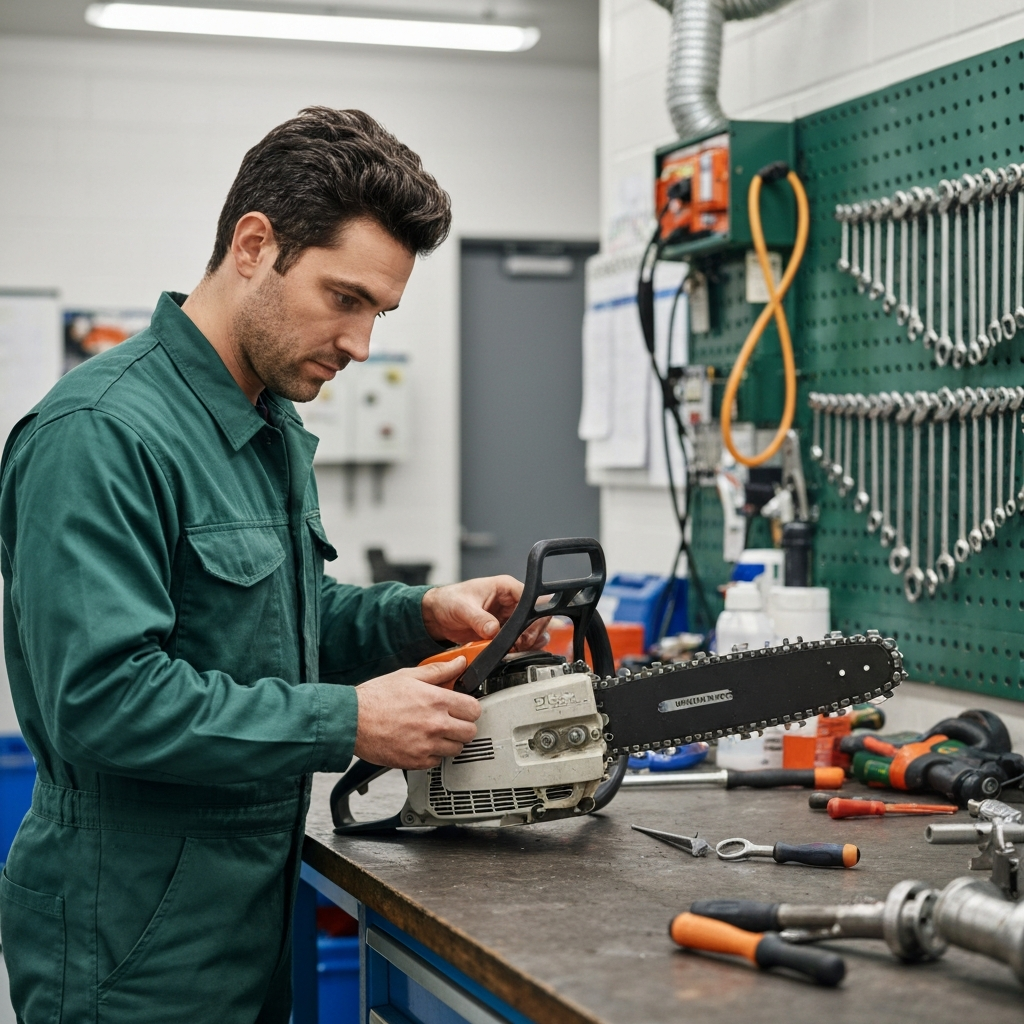
We sharpen chains for a wide range of saws used around homes, farms, wooded properties, job sites, and landscape work.
Homeowner Saws
Light-duty pruning saws and yard cleanup saws. Even occasional use can dull a chain quickly if it hits dirt or roots.
Firewood Saws
Mid-size saws used for cutting firewood. We make sure the cutters and rakers are set for efficient, smooth cutting.
Commercial & Pro Saws
Heavier saws used for larger timber or cleanup work. We handle common pitch and gauge combinations for working crews.
Multiple Loops
Bring a stack of chains! Many customers keep several sharpened loops on hand to swap in the field instead of stopping work.
Pole Saws
We also sharpen the smaller chains used on pole pruners and extended-reach saws.
Our Process
Our process is built around real-world convenience. You can drop your chains off, or ask about pickup & delivery.
Inspect
We look for worn cutters, broken teeth, stretching, and damage to see if sharpening is safe.
Sharpen
We sharpen the cutters evenly to restore a clean, consistent cutting edge across the chain.
Set Rakers
We check and adjust the depth gauges so the chain has the right bite for safer cutting.
Ready
You can pick it up at the shop or coordinate pickup & delivery when available.
Why Choose RLES for Chain Sharpening?
Revolution Landscape Equipment & Supply is a repair-first local shop. We are not just selling parts or pushing quick transactions. We work on outdoor power equipment, small engines, lawn mowers, chainsaws, and related equipment used by people around Farmington and the Parkland region.
That repair background matters. When we sharpen a chain, we are thinking about how the saw actually performs in the field. We know a dull chain can feel like an engine problem. We know a crooked cut can come from uneven teeth. We know rakers that are too high or too low can make a chain frustrating or unsafe.
We keep the service simple: bring the chain in, ask about pickup & delivery, get honest guidance, and leave with a chain that is ready to cut safely again.
Frequently Asked Questions
Ready for a Sharper Chain?
Bring your chains to our Hwy 32 shop or ask about pickup and delivery.