
Carburetor Cleaning in Farmington, MO
When your mower, generator, trimmer, or other outdoor power equipment will not start or keeps running rough, carburetor cleaning is often the first place to look. At Revolution Landscape Equipment & Supply in Farmington, MO, we provide practical carburetor service for small engines used by homeowners, property owners, and crews across St. Francois County and the Parkland region.
Symptoms of a Bad Carburetor
A dirty or clogged carburetor can make good equipment act like it is worn out. The carburetor's job is to mix fuel and air in the right amount before that mixture enters the engine. When the passageways inside become restricted, the engine may get too much fuel, not enough fuel, or an inconsistent mix.
Will Not Start
You pull the rope over and over, smell fuel, or hear the engine try to fire without staying running. Often points to a clogged main jet, stuck float, or dirty needle valve.
Starts Then Dies
It runs for two seconds and quits. The carburetor cannot keep delivering fuel once the engine tries to run on its own.
Surging or Hunting RPM
The engine revs up and down on its own. This happens when the carburetor is partly clogged and the governor keeps chasing the correct speed.
Rough Idle
If the engine shakes, coughs, sputters, or sounds uneven, the idle circuit may be dirty. Even a partial restriction can make the engine run poorly.
Black Smoke
Black smoke often means the engine is running too rich. A stuck float, leaking needle, or clogged air path can allow too much fuel into the engine.
Flooding & Leaks
Fuel dripping, a strong fuel smell, or a wet spark plug. A float that sticks open or a needle valve that does not seal can let fuel keep flowing.
Only Runs on Choke
One of the clearest signs of a carburetor restriction. The choke reduces airflow, which compensates for a fuel passage that is partly clogged.
Why Old or Ethanol Fuel Is Usually the Culprit
Most carburetor problems are not caused by the carburetor suddenly failing. They are caused by fuel sitting too long, especially fuel that contains ethanol. Small engine fuel systems are not forgiving when old fuel sits in the tank, fuel line, and carburetor bowl.
As fuel ages, it can leave behind gum and varnish. Those sticky deposits collect inside the carburetor and clog the tiny jets and passageways that meter fuel. When varnish narrows those openings, the engine may run lean, surge, stall, or refuse to start.
Ethanol can make the problem worse because it attracts moisture. Water in the fuel system can lead to corrosion, poor combustion, and deposits inside the carburetor. Over time, that moisture can affect the float bowl, needle, seat, and internal parts.
A stuck float is another common result of old fuel. The float controls how much fuel sits in the carburetor bowl. When the float sticks, the carburetor may starve the engine or flood it with too much fuel.
Why a Can of Carb Cleaner Alone Rarely Fixes It
Carb cleaner has its place, but spraying a can into the air intake or around the outside of the carburetor rarely solves a real carburetor problem. It may help confirm that the engine can fire, and it may remove some surface grime, but it does not clean the internal fuel circuits where the real restrictions usually are.
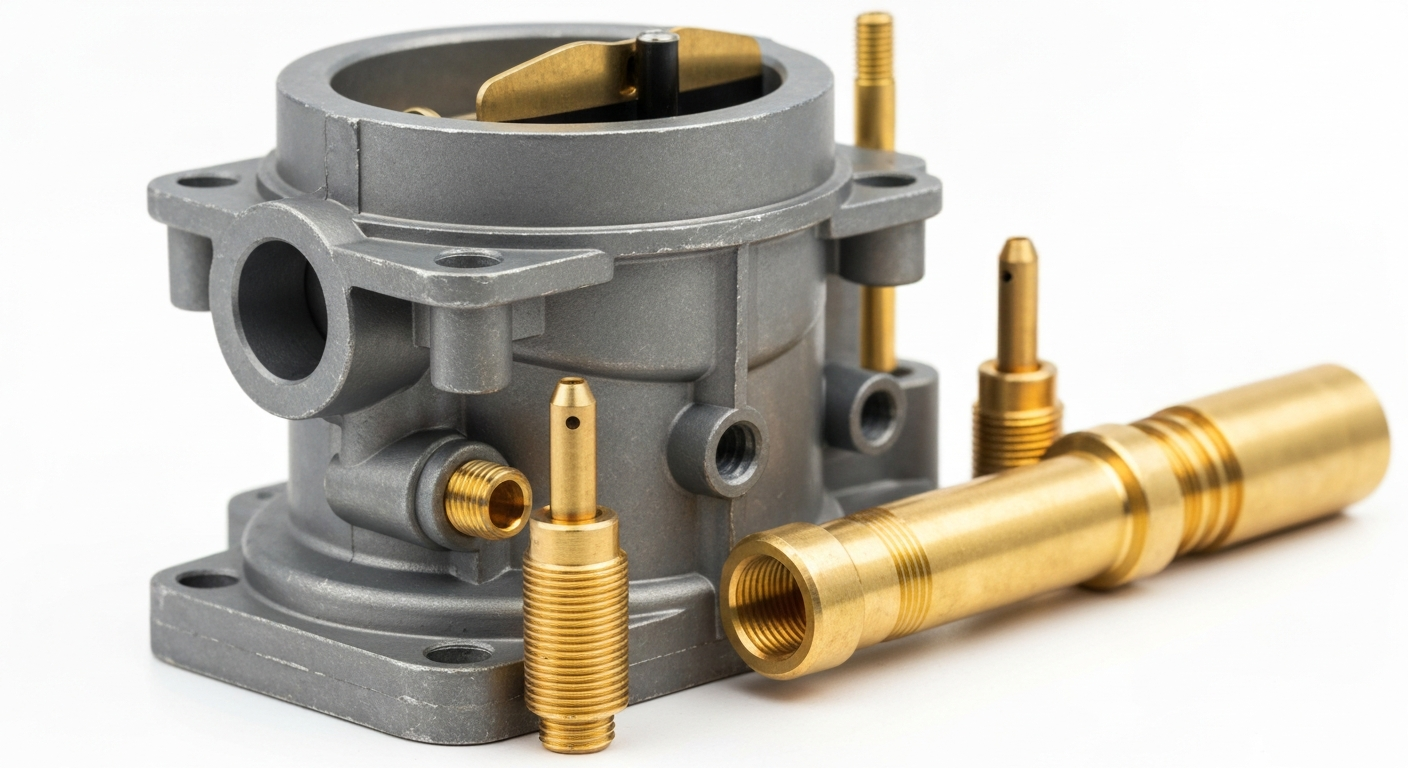
The most important passages inside a carburetor are small and hidden. The main jet, pilot jet, idle circuit, emulsion tube, needle seat, and bowl passages can all collect deposits. If those parts are clogged, the carburetor often needs to be removed, opened, inspected, and cleaned properly.
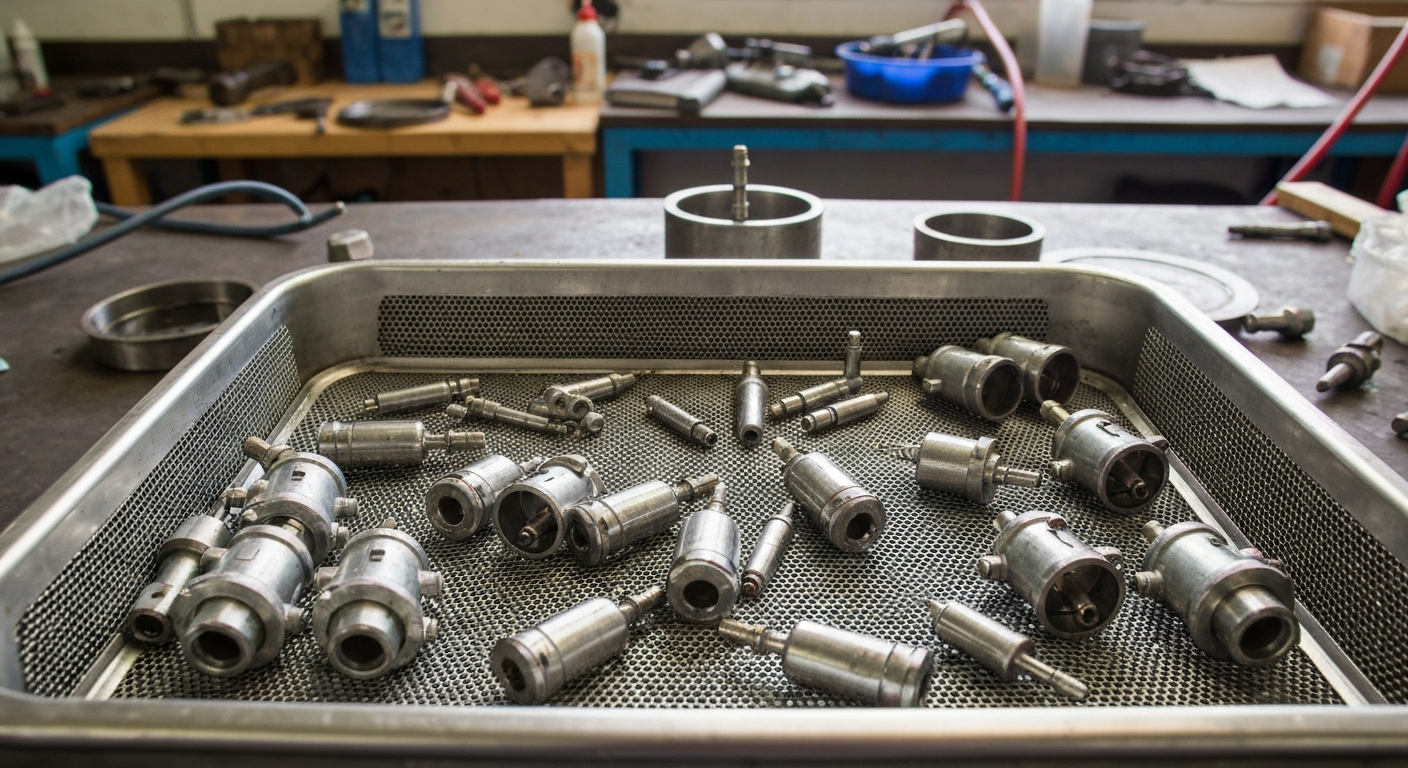
A proper carburetor cleaning may require disassembly. That means removing the bowl, float, needle, jets, and other serviceable parts as needed. In some cases, ultrasonic cleaning is useful because it can reach small passages that are difficult to clean by hand.
Clean vs. Rebuild vs. Replace
Not every carburetor needs the same repair. The right fix depends on the condition of the carburetor, the type of equipment, the age of the fuel system, and how the engine behaves during testing.
Clean
A basic cleaning may be enough when the carburetor is dirty but still in good physical shape. This is common when equipment has been sitting for a season and the jets have light varnish.
Rebuild
Usually the better choice when soft parts are worn, leaking, hardened, or damaged. Gaskets, seals, diaphragms, and needles can fail over time. A rebuild restores consistent fuel metering.
Replace
Makes sense when the carburetor is heavily corroded, physically damaged, missing parts, or when cleaning and rebuilding would cost more in labor than installing a suitable replacement.
Equipment We Service
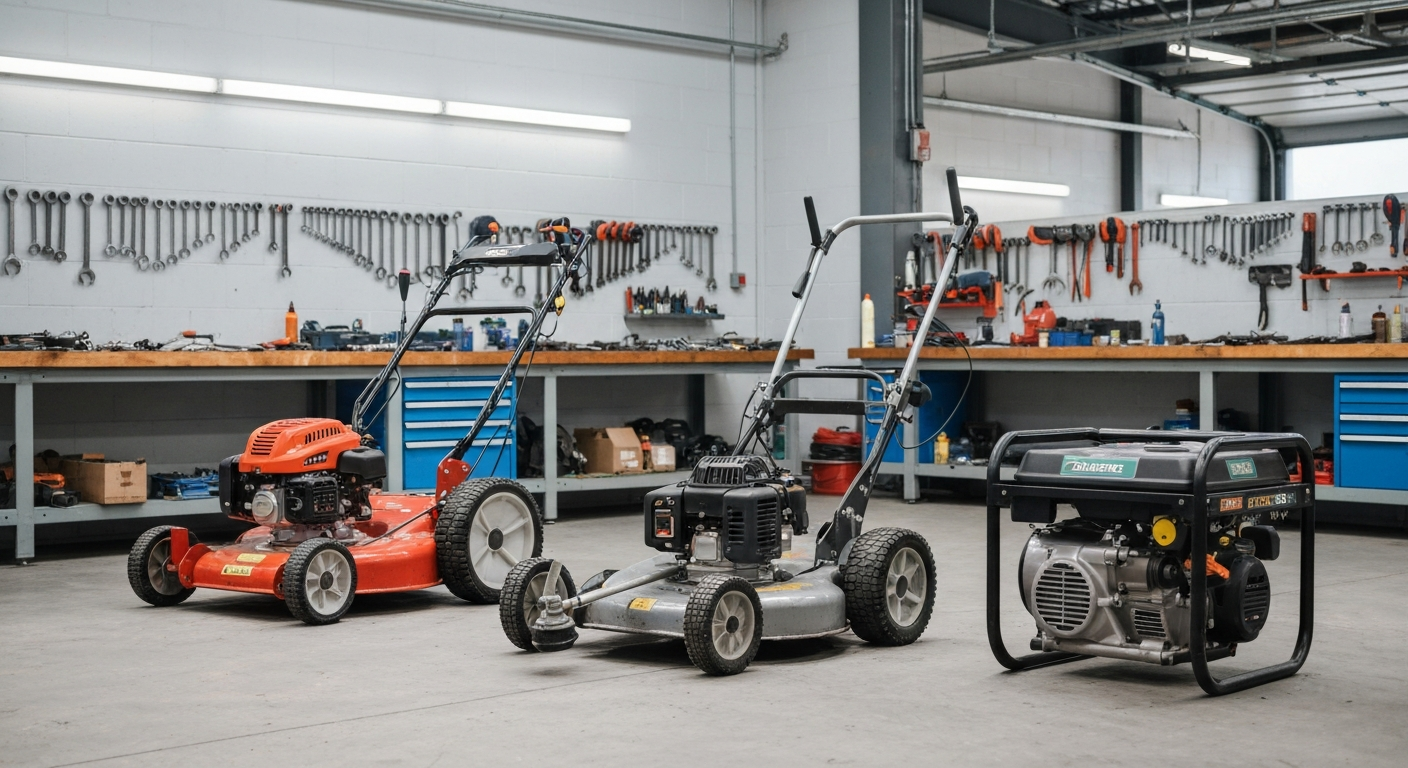
Revolution Landscape Equipment & Supply works on the outdoor power equipment people use around homes, properties, job sites, farms, and small businesses in the Farmington area. Carburetor issues can affect nearly any gas-powered small engine.
- • Push mowers, walk-behinds, riding mowers, zero-turns
- • Trimmers, blowers, chainsaws, handheld equipment
- • Generators and portable power
- • Pressure washers
- • Tillers, snow blowers, and seasonal equipment
How to Avoid Carburetor Problems
Use Fresh Fuel
Fuel that has been sitting in a can for months may already be causing problems. If the fuel smells sour or looks discolored, it is better not to use it.
Avoid Ethanol When Possible
Ethanol-free fuel is often a better choice for small engines. If not available, try not to store equipment for long periods with ethanol fuel in the system.
Use Fuel Stabilizer
Stabilizer slows the breakdown process and reduces gum and varnish formation. It works best when added to fresh fuel, not fuel that is already old.
Run Dry Before Storage
Before seasonal storage, consider running equipment dry or shutting off the fuel valve to avoid leaving fuel sitting in the bowl for months.
Keep Containers Clean
Dirt and water in a gas can can end up in the carburetor. A clean fuel can, fresh fuel, and proper storage make a real difference.
Run Equipment Regularly
Equipment that runs often is less likely to develop severe gum and varnish than equipment that sits untouched for long periods.
Frequently Asked Questions
Get Your Equipment Running Right
Don't let a dirty carburetor keep you from getting the job done. Drop it off at our Farmington shop or ask about pickup and delivery.